
Choosing Your Next Smile After Tooth Extraction
When a tooth needs to come out, the next question is simple: what now? Planning how you will replace that tooth is just as important as the extraction itself. Your choice affects how you chew, how you speak, how you look, and how your jawbone holds up over time.
Tooth replacement is not one size fits all. Healing time, bone changes, and whether you need pre-prosthetic surgery can all change which option works best. Different choices, like dentures, implants, or a bridge, can also require different steps and timelines.
Here in Interior Alaska, weather, travel, and seasonal work or outdoor activities can also affect when you want treatment and how many visits make sense. Having a clear roadmap helps you plan your care around your life, not the other way around.
How Healing After Extraction Shapes Your Options
Right after a tooth is removed, a blood clot forms in the socket. In the next few days, the area starts to close over with gum tissue. Discomfort usually improves fairly quickly, but the deeper healing continues for weeks.
In the following months, your jawbone begins to shrink in the area where the tooth is missing. This is called bone resorption. Without a tooth root in place, the body starts to break down bone it no longer “needs.” That slow change affects:
- How well a denture fits
- Whether a bridge will have good support
- Whether you have enough bone for a dental implant
Timing matters. Some options can be placed:
- Right away (immediate), at the time of extraction in select cases
- A few weeks to a few months after (early), once gums start to heal
- Many months or longer after (delayed), once bone and gums settle
If you wait longer, you may need pre-prosthetic surgery to smooth sharp bone, reshape gum tissue, or add bone before placing an implant, denture, or bridge. Your surgeon looks at the shape of the ridge, the thickness of the bone, and your bite to decide what is needed.
Life in Alaska can also shape timing. For example, you may want:
- Shorter treatment plans if you live far from Fairbanks
- Fewer winter trips if road conditions are tough
- To finish most healing before busy outdoor seasons
A personalized plan makes it easier to match your dental care to your schedule and travel needs.
When Dentures Make Sense and How Pre-Prosthetic Surgery Helps
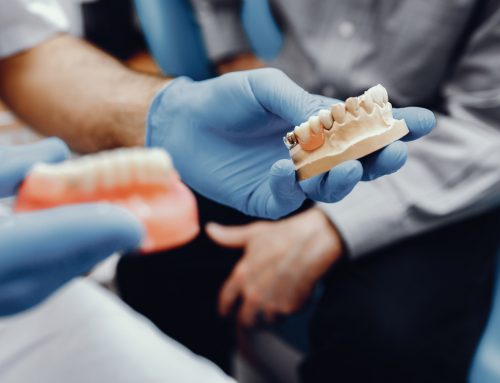
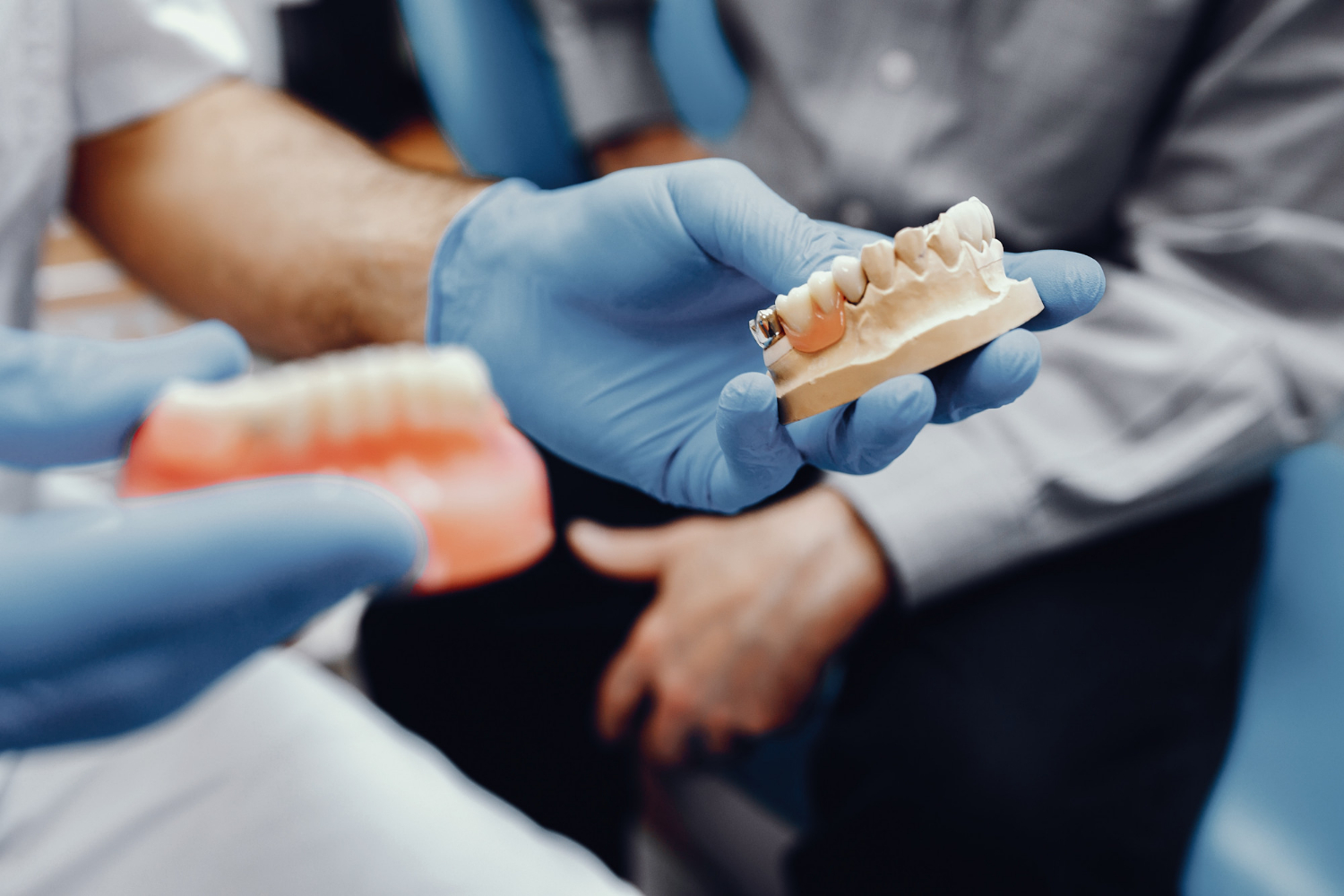
Dentures can be a good choice if you are missing several teeth or all your teeth in one or both jaws. Many people choose full or partial dentures because:
- They want a quicker path to replacing many teeth
- They prefer a removable option
- They have medical conditions that make longer surgeries less ideal
Pre-prosthetic surgery helps create a smooth, comfortable base for dentures. This might include:
- Smoothing sharp or uneven bone so the denture does not rub
- Removing small bony bumps that could cause sore spots
- Trimming or reshaping gum tissue so the denture can seat better
- Removing problem teeth that will not be used to support a denture
These steps are usually minor but can make a big difference in comfort and stability. The goal is to reduce pressure points, improve suction and fit, and help your dentist get the best possible denture design.
There are two main paths with dentures:
- Conventional dentures, which rest on the gums
- Implant-supported dentures, which clip onto a few dental implants
Conventional dentures do not require implants and can be a good fit for people who want to avoid extra surgery. On the other hand, implant-supported dentures can feel more secure, especially when eating or speaking.
Local conditions matter too. Winter dryness and cold air can affect how your gums feel with a denture, and longer trips between Interior Alaska communities can make frequent adjustments less convenient. A stable, comfortable fit and a realistic maintenance plan are key parts of the discussion.
Dental Implants for Long-Term Stability and Jaw Health
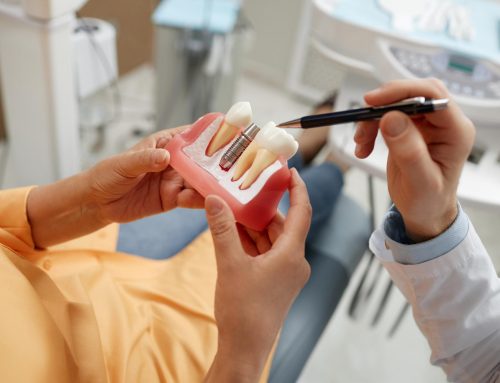
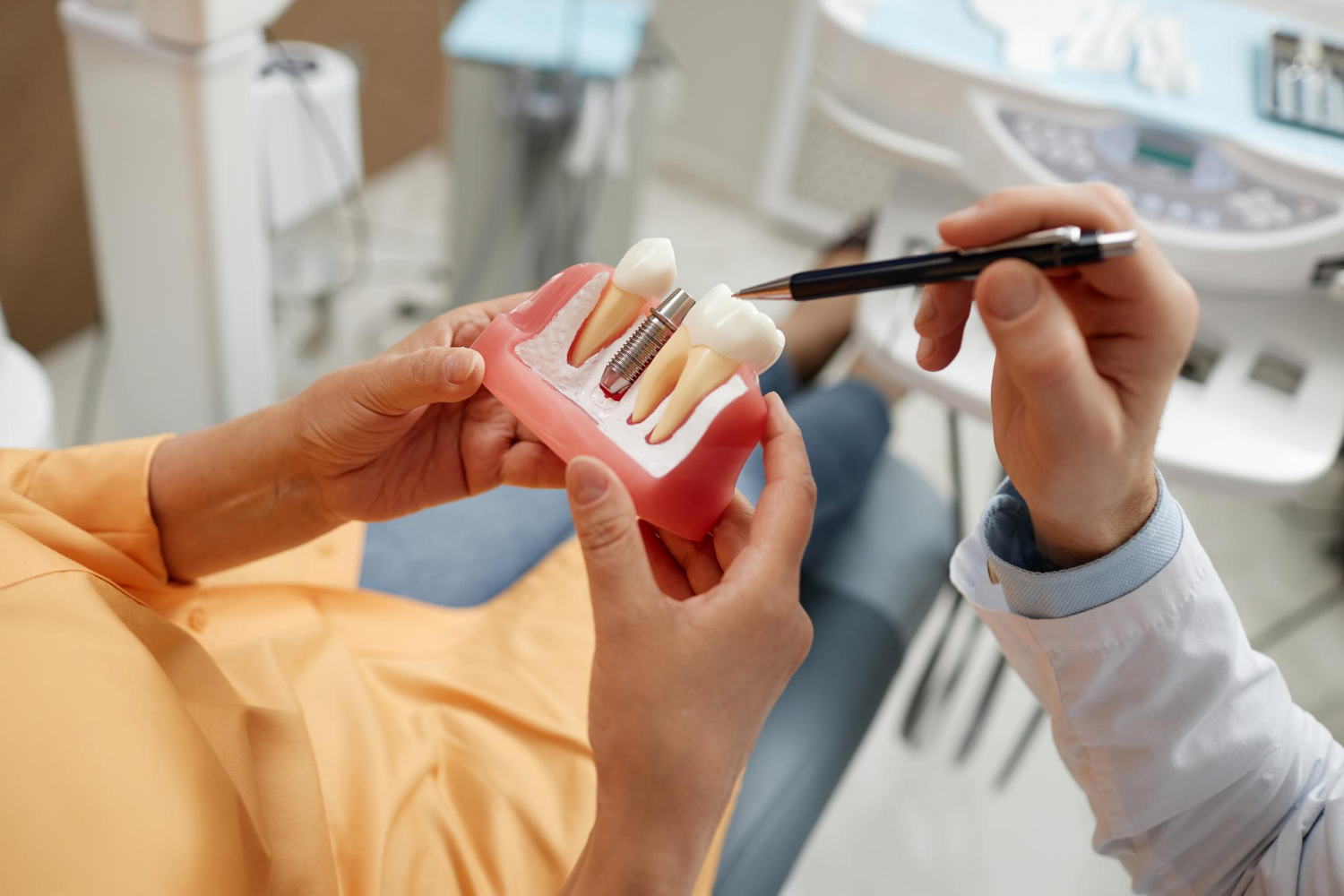
A dental implant is a small post placed in the jawbone to act like a tooth root. After it heals and bonds with the bone, it can support a crown, a bridge, or a denture. Because it sits in the bone, it helps keep that bone active and can slow down bone loss in that area.
Implants are often a good option if:
- You are in generally good health
- You have enough bone in the jaw, or can build it up
- You want a fixed, natural-feeling solution
- You want strong biting and chewing power
Sometimes the jaw needs to be prepared before implants can be placed. Pre-prosthetic surgery for implants may include:
- Bone grafting to build up thin or low bone
- Sinus lifts in the upper back jaw to create space for implants
- Ridge augmentation to correct defects or indentations in the jaw
These steps usually involve healing periods, where bone needs time to mature before an implant or final tooth can be attached. Many people prefer to plan longer healing around times of year when travel is easier or work is more flexible. Your surgeon can space out visits and surgeries around Alaska’s winter and summer seasons so your plan feels manageable.
Bridges as a Middle Ground Choice
A traditional dental bridge fills a gap by using the teeth on each side as anchors. Those neighboring teeth are reshaped and covered with crowns, and an artificial tooth is connected in the center.
A bridge may be preferred when:
- The teeth next to the gap already need crowns
- Implants are not possible because of bone or health concerns
- You want a fixed solution without removable parts
Bridges look natural and can last a long time with good care. However, they do not replace a tooth root, so they do not protect the underlying bone like an implant can. The bone in the empty space may still shrink over time.
Your oral and maxillofacial surgeon works closely with your family or restorative dentist to plan a bridge. Together they may decide:
- How much to reshape the anchor teeth
- How to balance bite forces so the bridge does not overload one area
- Whether minor gum or bone reshaping will help the bridge seat cleanly
This teamwork helps create a stable, comfortable result that fits your bite and protects your remaining teeth as much as possible.
Mapping Your Personalized Tooth Replacement Plan
When you visit Alaska Oral & Facial Surgery in Fairbanks, the first step is a detailed look at your mouth and your goals. A typical consultation may include:
- A review of your medical and dental history
- An exam of your teeth, gums, and bite
- 3D imaging or X-rays to study bone and nerves
- A discussion of your daily routines, travel, and timing needs
We also look closely at whether you might benefit from pre-prosthetic surgery before your final tooth replacement is made. The right choice between dentures, implants, or a bridge depends on:
- How many teeth are missing or need removal
- The quality and amount of jawbone
- Any health conditions or medicines you take
- Your budget and comfort level with surgery
- How fast you want to get back to chewing and speaking with confidence
Some people prefer a phased approach, starting with a removable option and moving to implants later. Others want to plan for a fixed solution from the start. Our role is to help you understand each path, set realistic timelines, and build a plan that fits life in Interior Alaska, from winter roads to busy summer days outside.
To discuss your options and start planning your personalized tooth replacement, call 907-452-4101 to schedule an appointment.
Take the Next Step Toward a Confident, Comfortable Smile
If missing teeth or an ill-fitting denture is holding you back, our team at Alaska Oral & Facial Surgery is here to help you plan the right surgical foundation for lasting results. Learn how pre-prosthetic surgery can prepare your mouth for a more secure, natural-feeling prosthesis. We will walk you through every option, answer your questions, and create a personalized treatment plan. To schedule a consultation or ask about your specific needs, please contact us today.