
See If Your Smile Is Ready for Implants
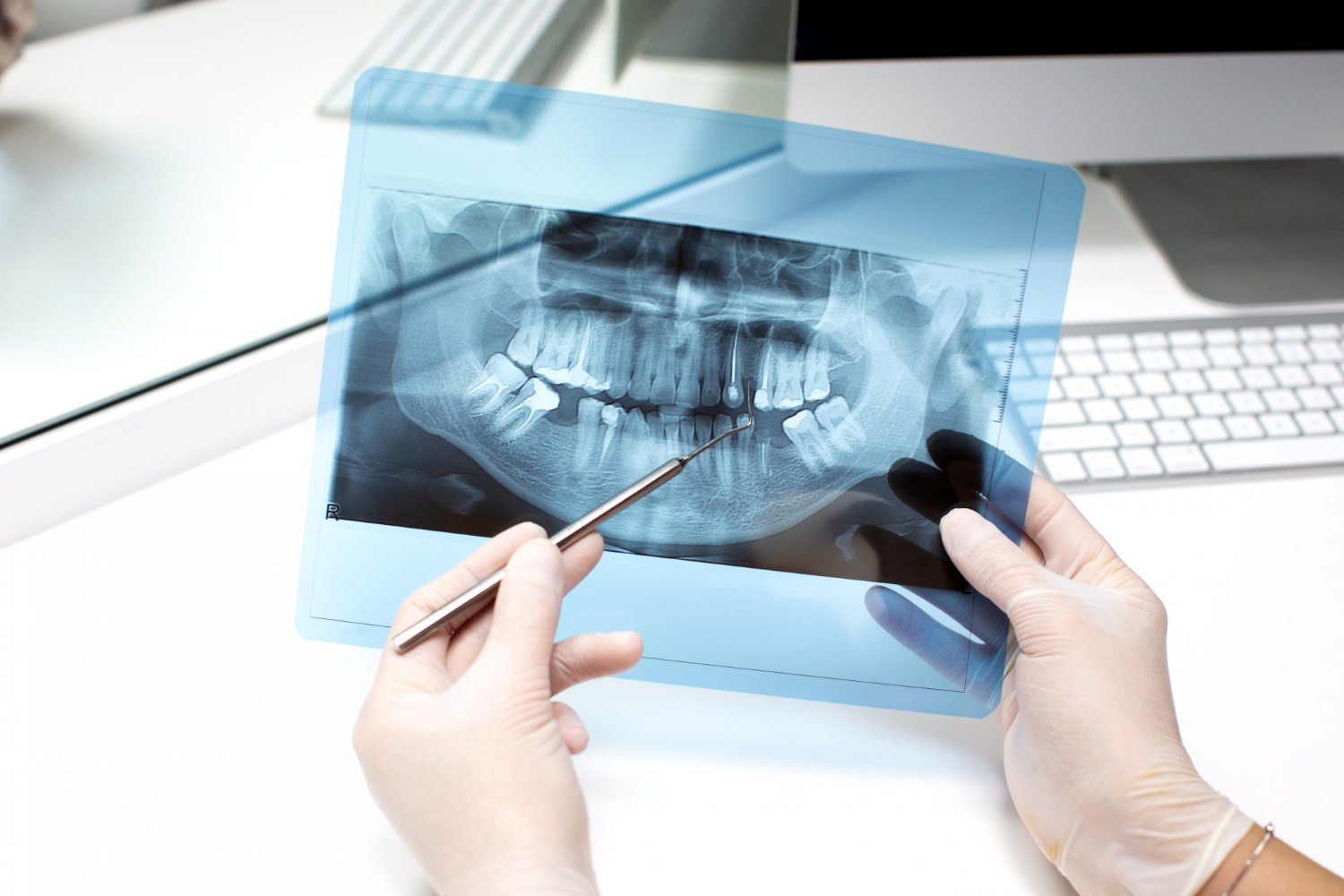
Healthy jawbone is the base that keeps dental implants solid and steady. If the bone is thin, weak, or missing in spots, implants do not have the support they need to last. Before we recommend any treatment, we want to know exactly how much bone you have and where it is strongest.
At our Fairbanks office, we measure bone loss with advanced 3D imaging, a close check of your gums, and a careful review of your medical history. This detailed planning helps us choose the right type of dental bone grafting surgery if you need it, place implants in the safest spots, and reduce surprises during and after treatment. With a clear plan, many people find it easier to time their care so they can enjoy more confident chewing and smiling as the seasons change and life gets busy again.
Why Bone Volume Matters for Dental Implants
Dental implants act like new tooth roots, so they need enough bone to grip onto. We look at three main parts of your jawbone:
- Height, so the implant does not run into nerves or sinuses
- Width, so the implant is fully surrounded by bone instead of thin edges
- Density, so the bone is strong enough to hold the implant while it heals
Bone loss can happen for many reasons, often slowly over time. Common causes include:
- Teeth that have been missing for a long time
- Advanced gum disease that has damaged bone
- Dentures or partials that rub and press on the bone
- Trauma to the face or jaw
- Past infections around teeth or roots
When bone shrinks, it does more than affect implants. It can change how your bite feels, make chewing less comfortable, and even affect speech. Loss of bone in the upper or lower jaw can also change facial support, which may make the cheeks and lips look like they are sinking inward. Protecting and rebuilding bone is one way to support a healthier mouth and a more natural facial shape.
How CBCT Imaging Maps Your Jawbone in 3D
To see your bone clearly, we use CBCT, which stands for cone beam computed tomography. It is different from a standard dental X-ray because it creates a 3D-image. Instead of a flat picture, we get a full view of your jaws, teeth, sinuses, and other structures from many angles.
Here is what the CBCT process is like at our practice:
- You stand or sit while a small machine rotates around your head
- The scan usually takes less than a minute
- There is no pain, and you do not feel the X-rays
- The system is designed to use a focused beam to limit exposure
Once the images are ready, your surgeon can zoom in and measure bone height and width down to very small details. CBCT also shows the exact locations of nerves, sinus spaces, and tooth roots. This helps us plan:
- Where to place each implant
- Whether you need dental bone grafting surgery first
- The safest angle and depth for implant placement
We can map out your surgery on the screen before you are even in the chair. That planning helps make the actual procedure smoother, with fewer surprises and a clearer path to healing.
Gum Health and Its Role in Bone Preservation
Healthy gums are just as important as healthy bone when it comes to implants. Periodontal, or gum, disease is an infection that can slowly break down the tissues and bone that support your teeth. If gum disease is not controlled, it can threaten both natural teeth and implants.
During your exam, we look closely at:
- Gum color and swelling
- Bleeding, tenderness, or soreness
- Pocket depths around teeth and implants
- Old fillings, crowns, or bridges that might trap bacteria
If there are signs of infection, we want to calm that down before implants or dental bone grafting surgery. Cleaner gums usually mean better healing and a lower chance of future problems.
You can also help your mouth get ready in the weeks before treatment by:
- Getting a professional cleaning as recommended by your dental team
- Brushing twice daily with small, gentle circles along the gumline
- Flossing or using interdental brushes where it is safe to do so
- Avoiding tobacco, which can slow healing and affect blood flow
These steps support your body as it heals and help your implants stay strong over time.
Your Bone Graft Options for Stronger Implant Support
When there is not enough bone for implants, we may recommend grafting to rebuild the area. Dental bone grafting surgery can be small and focused or more involved, depending on what you need. Common types include:
- Socket preservation, a graft placed right after a tooth is removed to help hold the shape of the socket
- Ridge augmentation, which widens or rebuilds areas where the jaw has thinned or dipped
- Sinus lift, which gently raises the sinus floor and adds bone in the upper back jaw
Graft material can come from several sources. Options may include your own bone from another area, carefully processed donor bone, or synthetic materials designed for bone growth support. We choose based on your health history, the size of the area, and your treatment goals.
During dental bone grafting surgery, many patients choose some level of sedation to stay relaxed and comfortable. Our office offers IV sedation options along with local numbing, so you stay calm while we work. After a graft:
- The first few days usually bring some swelling and soreness
- Soft foods are often needed at the start
- The grafted area slowly hardens and joins with your natural bone over several months
Planning your graft and implant timeline around your work, school, or travel schedule can make the process easier to manage, especially when life gets busy later in the year.
Advanced Planning for Comfort and Peace of Mind
At Alaska Oral & Facial Surgery, we combine digital planning with sedation options and close follow-up to make treatment as smooth as we can. The CBCT scan, gum exam, and health review all come together in one plan that fits your mouth, not a one-size-fits-all approach.
By tailoring your care, we aim to:
- Reduce the risk of running into nerves, sinuses, or weak bone
- Shorten time in the chair by knowing our steps ahead of time
- Support steady healing so you can return to normal eating as soon as it is safe
Starting your evaluation early gives you more control over timing. You and your surgeon can map out when to schedule imaging, dental bone grafting surgery if needed, and implant placement so healing lines up with your personal milestones, whether that is family events, busy work seasons, or the holidays.
To learn more about your options and see if your smile is ready for implants, call 907-452-4101 to schedule an appointment.
Restore Your Oral Health With Confidence Today
If you are considering dental bone grafting surgery, our team at Alaska Oral & Facial Surgery is here to guide you through every step with clear information and personalized care. We will evaluate your needs, explain your options, and develop a treatment plan tailored to your goals. To schedule a consultation or ask questions about your situation, please contact us.