
Restore Your Smile with the Right Bone Graft Pla
Being told you do not have enough jawbone for dental implants can feel discouraging. The good news is that dental bone grafting surgery can often rebuild the area so implants become possible again. With the right plan, we can support a strong bite and a natural-looking smile.
Healthy jawbone is the foundation for successful implants. It holds the implant in place, helps you chew with confidence, and supports your facial shape over time. When bone is thin or missing, implants may not be safe or stable until the area is rebuilt.
There are three main jawbone grafting options we use for implant preparation: socket preservation, ridge augmentation, and sinus lift. The best choice depends on when the tooth was removed, how much bone is left, and what your long-term goals are. At our Fairbanks practice, many people who thought implants were not possible become good candidates with the right grafting approach. Planning bone grafts during the summer can also set you up for stronger chewing and implant placement before the colder months arrive.
Why Jawbone Shrinks After Tooth Loss
Your jawbone depends on tooth roots and chewing pressure to stay thick and strong. When a tooth is lost, the root is no longer there to send signals to the bone. Over time, your body starts to break down and resorb the unused bone in that area.
Bone loss can happen for several reasons, such as:
- Long-term missing teeth that were never replaced
- Gum disease that damages the bone around teeth
- Trauma or accidents that injure the jaw
- Infections around teeth or roots
- Poorly fitting dentures that rub and irritate the ridge
As bone shrinks, you may notice changes in your appearance. The lips and cheeks can look more sunken, neighboring teeth may shift or tilt, and your bite can feel different. These changes can make it harder to place implants without first rebuilding the bone.
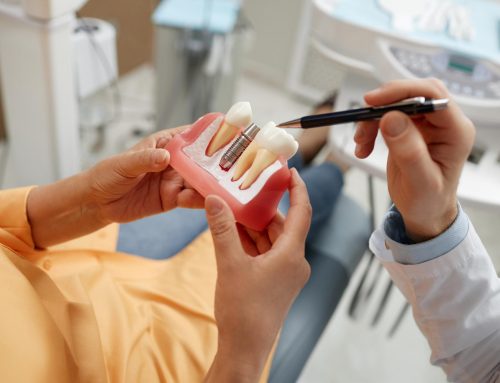
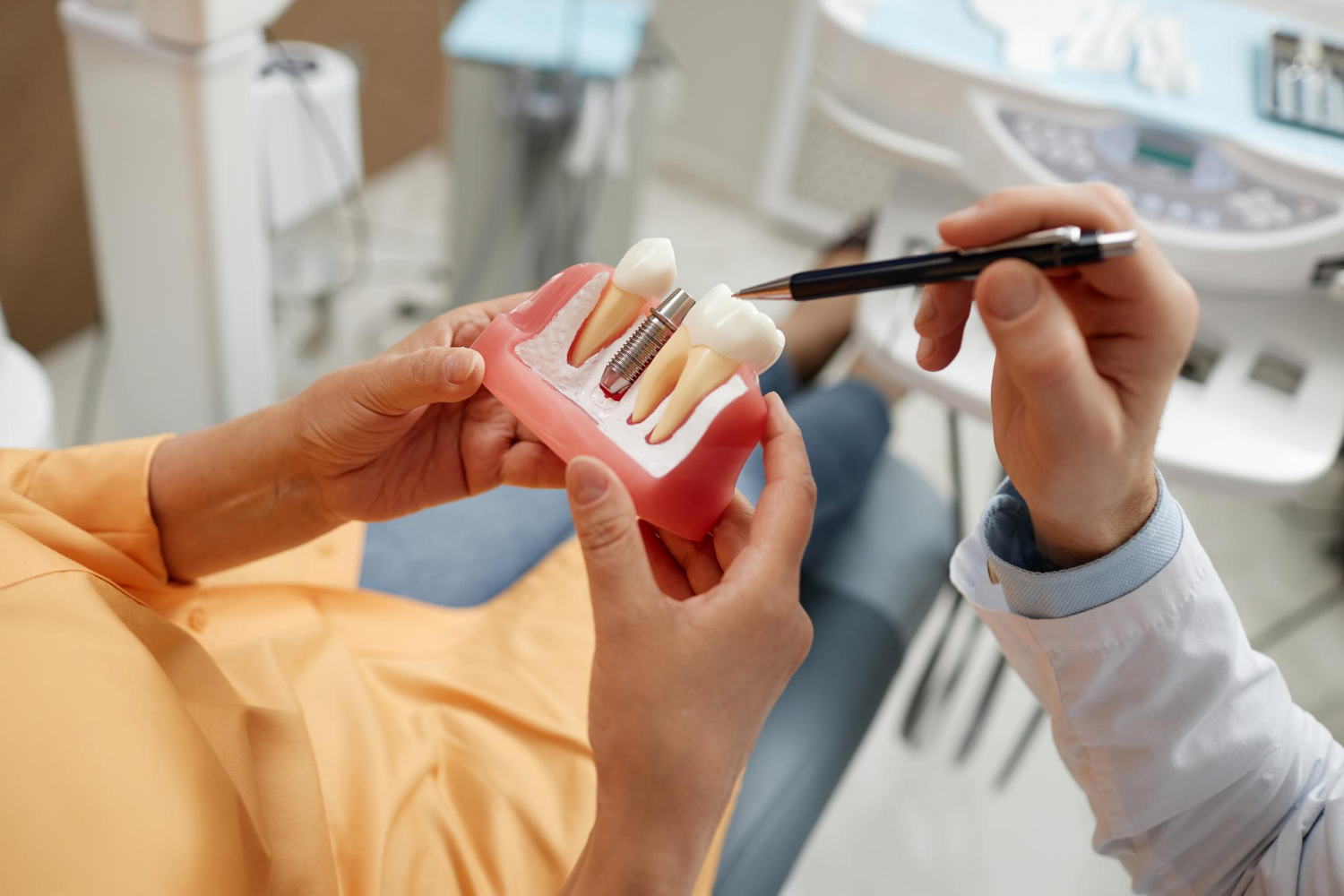
When there is not enough bone height or width, an implant may not be secure. That is where dental bone grafting surgery comes in. Adding graft material helps your body grow new bone in the area so an implant has a stronger base. An early evaluation after an extraction often lets us protect more of your natural bone from the start.
Socket Preservation and Ridge Augmentation
Socket preservation is the bone graft that happens right away. After a tooth is removed, there is an empty hole in the jaw called the socket. In socket preservation, we gently place bone graft material into that socket before it begins to collapse. The area is then covered and left to heal.
Socket preservation is a great option for people who:
- Plan to replace the missing tooth with an implant
- Are losing a front tooth and want to protect gum and bone shape
- Want to reduce future bone loss as much as possible
The experience is usually simple for patients because it is done at the same visit as the extraction. Once the tooth is out, we place the graft, secure it, and then the area heals over a few months. This approach can help keep the natural contour of the jaw and may shorten the overall time before an implant can be placed. At our office, we offer different anesthesia and comfort options so same-day extraction and grafting feel more manageable.
Ridge augmentation is a larger rebuilding procedure used when the jaw ridge has already thinned or collapsed. This is more common when teeth have been missing for years, when there has been an infection, or when extractions were done without socket preservation.
With ridge augmentation, we gently lift the gum tissue to see the area that needs building. Bone graft material is placed along the thin or sunken ridge, sometimes with a protective membrane or small devices to hold it in shape while it heals. Over several months, your body replaces this graft with new bone.
Benefits of ridge augmentation include:
- Creating enough width and height for stable implants
- Improving the shape of the ridge for better-looking crowns or dentures
- Supporting the lips and cheeks for a more natural facial profile
After ridge augmentation, some swelling and soreness are normal. In Interior Alaska, that can mean planning to take it a little easier with outdoor activities for a short time. Soft foods, cold packs, and following your post-op instructions help healing go more smoothly, whether you are heading back to work or out fishing and hiking.
Sinus Lift for Upper Back Teeth
The upper back jaw has its own challenge: the sinus. The sinus is an air-filled space above your upper molars, and in many people, the bone here is naturally thin. After tooth loss, this bone can shrink even more, leaving very little room for an implant.
A sinus lift, also called sinus augmentation, is a type of dental bone grafting surgery that adds bone beneath the sinus floor. The goal is to gently raise the sinus membrane and place graft material where new bone is needed.
In simple terms, the process usually involves:
- Creating a small opening near the upper molars
- Carefully lifting the thin sinus membrane upward
- Placing bone graft material in the newly created space
- Letting the area heal so new bone can form before placing implants
There are different ways to do a sinus lift. A traditional approach is used for larger amounts of added bone, while a less invasive crestal approach may work when only a small lift is needed. Your oral surgeon will recommend the method that is safest and most predictable for your specific anatomy.
When planned with modern imaging, such as 3D cone beam scans, sinus lifts can help provide:
- Stronger support for implants in the upper back jaw
- Better chewing power in areas that often do most of the grinding
- Long-term stability for implant crowns or bridges
Choosing the Right Grafting Option
There is no single best bone graft that fits every person. The right choice depends on several things:
- Timing: Are we treating a fresh extraction site or an area missing teeth for years?
- Location: Is it the front or back, upper or lower jaw, near the sinus or away from it?
- Amount of bone: How much height and width do you still have on 3D imaging?
- Health: Do you have any sinus issues, medical conditions, or smoking history?
- Treatment plan: Are you replacing one tooth, several teeth, or a full arch?
During a consultation at our Fairbanks office, we typically start with a thorough exam and digital imaging to check your bone levels. We talk through your goals, timeframe, and comfort needs, including anesthesia options. Then we map out a step-by-step plan, from extraction to grafting to implant placement and final teeth.
Dental bone grafting surgery is a common, well-established part of implant care. While some soreness and swelling are expected, most people do well with standard pain control and careful home care. Waiting too long, however, can allow more bone to disappear, which may mean larger grafts or longer treatment later.
Taking the Next Step Toward Stronger Teeth
If you have missing teeth, are facing extractions, or have been told you do not have enough bone for implants, you may still have good options. With socket preservation, ridge augmentation, and sinus lift techniques, many smiles can be rebuilt on a solid foundation of healthy bone.
At Alaska Oral & Facial Surgery, we are proud to serve people across Interior Alaska with advanced imaging, a range of anesthesia choices, and a family-focused setting. We work with you to create a bone graft and implant plan that fits your health, your lifestyle, and your goals for your smile.
To learn more or schedule an appointment, please call us at 907-452-4101.
Take the Next Step Toward a Stronger, Healthier Smile
If you are considering dental implants, we can evaluate whether dental bone grafting surgery is the right foundation for your long-term oral health. At Alaska Oral & Facial Surgery, we will walk you through every step, answer your questions, and create a treatment plan tailored to your needs. To schedule a consultation or ask about your options, please contact us today.