
One of the first questions patients ask about dental implants is how long the whole process takes. The honest answer is that implants are a journey measured in months, not days, but most of that time is quiet healing happening beneath the surface while you go about your normal life. Understanding the timeline ahead of time takes away most of the worry.
Here is a realistic, week by week look at what recovery typically involves after implant placement.
The First 24 to 72 Hours
Surgery day itself is usually easier than patients expect, especially with the anesthesia options available. The first few days are when you will notice the most:
- – Mild to moderate swelling, peaking around day two or three
- – Some soreness, usually managed well with the medications recommended by your surgeon
- – Minor oozing or pink-tinged saliva for the first day
- – A soft food diet while the surgical site settles
Most patients are pleasantly surprised by how manageable this phase is. Rest, cold compresses, and following the written aftercare instructions closely make a real difference.
Week 1 to Week 2
By the end of the first week, most people feel largely back to normal:
- – Swelling and bruising fade steadily
- – Many patients return to work within a few days, depending on the job
- – Stitches, if placed, are often removed or dissolve on their own
- – You can gradually reintroduce firmer foods, chewing away from the implant site
- – Gentle brushing continues, keeping the area clean without disturbing it
This is also when any early concerns, like unusual pain or swelling, should be called in. Small issues are much easier to address early.
A few things help this first stretch go smoothly:
- – Sleep with your head slightly elevated for the first few nights
- – Skip straws, spitting forcefully, and smoking, since suction and irritation can disturb the site
- – Rinse gently with the salt water or prescribed rinse as directed
- – Take medications on the schedule provided rather than waiting for pain to build
Weeks 3 to 6: Quiet Healing Beneath the Surface
Once the soft tissue has healed, the deeper work begins. The implant is fusing with the jawbone in a process called osseointegration. You will not feel this happening, and life is essentially back to normal:
- – Normal eating resumes for most patients, avoiding the hardest foods directly on the site
- – Normal brushing and flossing, with attention to keeping the area clean
- – Light exercise and outdoor activity are fine
- – A check-in visit may be scheduled to confirm healing is on track
Months 3 to 6: The Final Steps
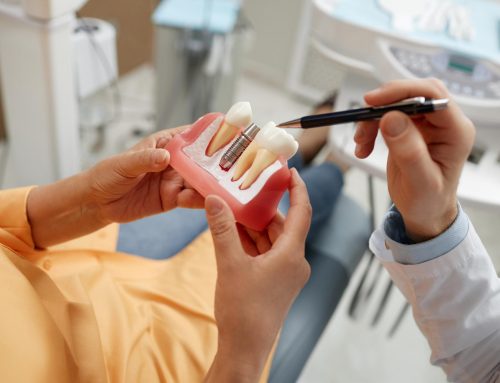
Osseointegration typically takes several months, and it is the reason implants are so stable and long lasting. Once the bone has fully integrated with the implant, the finishing steps move quickly: impressions or digital scans are taken, and your dentist places the final crown. The result looks, feels, and functions like a natural tooth. For patients missing several teeth, options like implant-supported bridges and full arch restorations follow a similar staged approach.
What Affects Your Personal Timeline
Not every patient follows the same schedule. A few factors can speed things up or slow them down:
- – Overall health and conditions like diabetes, which can affect healing
- – Smoking or vaping, which meaningfully slows bone integration
- – Whether bone grafting was needed to build up the implant site
- – The location of the implant, since upper and lower jaws heal at different rates
- – How closely aftercare instructions are followed in the early weeks
Your surgeon will give you a timeline tailored to your case at the consultation, and follow-up imaging confirms when the implant is ready for its crown.
Why the Wait Is Worth It
Because implants integrate with your own bone, they protect the jaw from the bone loss that follows tooth loss, and they do not rely on neighboring teeth the way a bridge does. Patients considering their options can learn more about dental implants and how they compare to other tooth replacement choices. Some patients also benefit from bone grafting or platelet rich plasma to support healing, which your surgeon will discuss if it applies to your case.
Tips for a Smooth Recovery
- – Follow the written aftercare instructions exactly; they are based on what actually works
- – Avoid smoking and vaping, which significantly slow bone healing
- – Keep every follow-up appointment, even when you feel fine
- – Eat a nutrient-rich diet to give your body the building blocks for healing
- – Call the office promptly if anything feels off rather than waiting
If you are thinking about replacing a missing tooth, the first step is a consultation to evaluate your bone, health history, and goals. Schedule a visit with Alaska Oral & Facial Surgery in Fairbanks, and we will map out a personalized timeline from placement to final crown.