
Getting a dental implant can be exciting, especially if you’ve been living with missing teeth for a while. But sometimes, your mouth needs a little extra support before that step happens. One common example is dental bone grafting surgery. This type of procedure helps rebuild the bone in your jaw when it’s too weak or thin to hold an implant securely.
It’s not something everyone needs, but when it’s recommended, it plays an important role in your treatment plan. If you’re wondering why bone grafting is part of your dental journey, or you’re not sure what the process involves, we’ll walk through it piece by piece. By the end, you’ll have a clearer sense of how this surgery helps set the stage for healthy, strong implants.
What Is Bone Loss and Why Does It Matter?
When you lose a tooth, the bone underneath it usually starts to shrink or thin out over time. This happens because your jawbone depends on regular pressure, like chewing and biting, to keep it active and strong. Without a tooth in place to give it that stress, the bone can slowly wear away. Over a long period of time, missing teeth can cause the jawbone to shrink so much that there is not enough height or width left to support an implant or keep nearby teeth from shifting.
This loss often isn’t noticeable at first. It’s a quiet process that can go on for months or even years. But it becomes important when you’re looking to get a dental implant. These implants need a solid, stable base so they stay put and function like natural teeth. If the bone isn’t strong or thick enough, the implant may not take properly.
That’s where bone grafting can help. It strengthens that area, giving the implant a better chance of success and lowering the risk of problems down the line.
What Dental Bone Grafting Surgery Does to Help
In simple terms, dental bone grafting surgery builds support back where it’s needed. We add new material to the jawbone in areas where it has shrunk or grown thin. Over time, your body treats this graft like part of your natural bone, allowing new bone to grow and fill in around it.
There are a few types of materials we might use, depending on your situation. These can include:
• Material from another part of your own body
• Donor bone material that’s been sterilized for safety
• Synthetic materials made to encourage bone growth
Bone grafting is often used to repair areas where bone has thinned because of past tooth extractions, gum disease, or injuries, especially in places where an implant is planned. In some parts of the upper jaw, this can include a sinus lift to add bone beneath the sinus and create enough space and support for a future implant.
Whichever type is used, the goal is the same, to give your jaw the strength and support it needs to hold an implant securely. Once the bone heals and grows in fully, that area is ready for the next step in your dental treatment.
Signs You Might Need Bone Grafting Before Implants
Not everyone will need a graft before getting a dental implant. But certain situations make it more likely that your jawbone might need help first. Some of the common reasons include:
• You’ve had one or more teeth pulled in the past, and the area has been left untreated
• You’ve had gum disease in the area, which can cause bone to break down
• You’ve gone a long time with missing teeth, leading to slow bone loss over the years
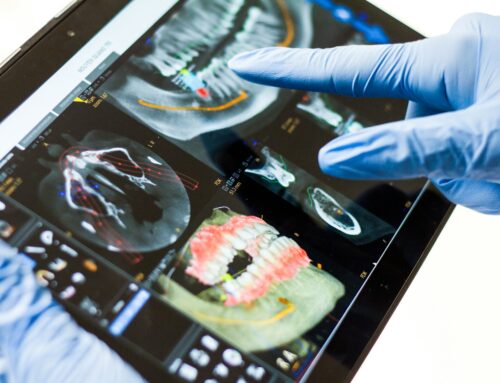
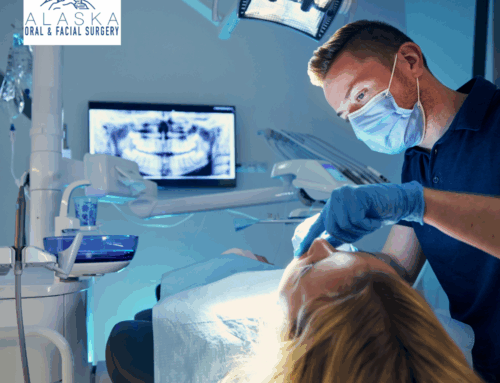
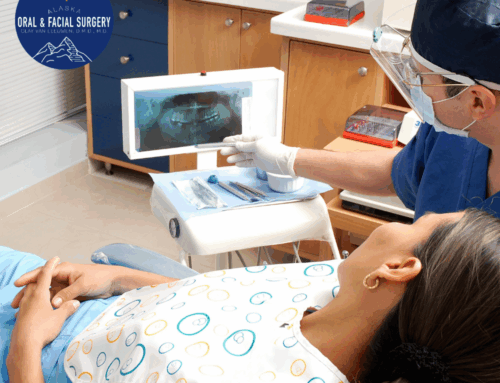
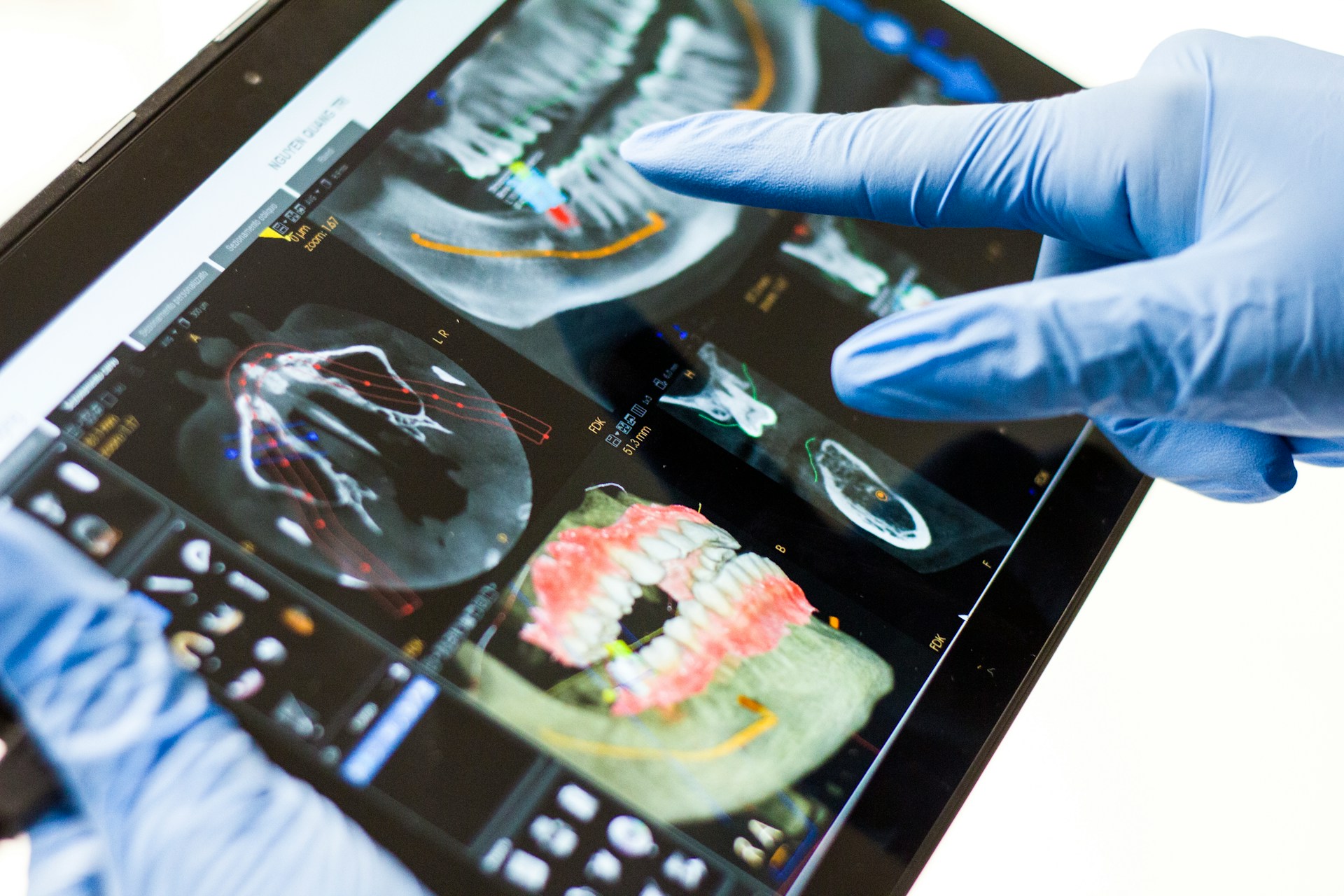
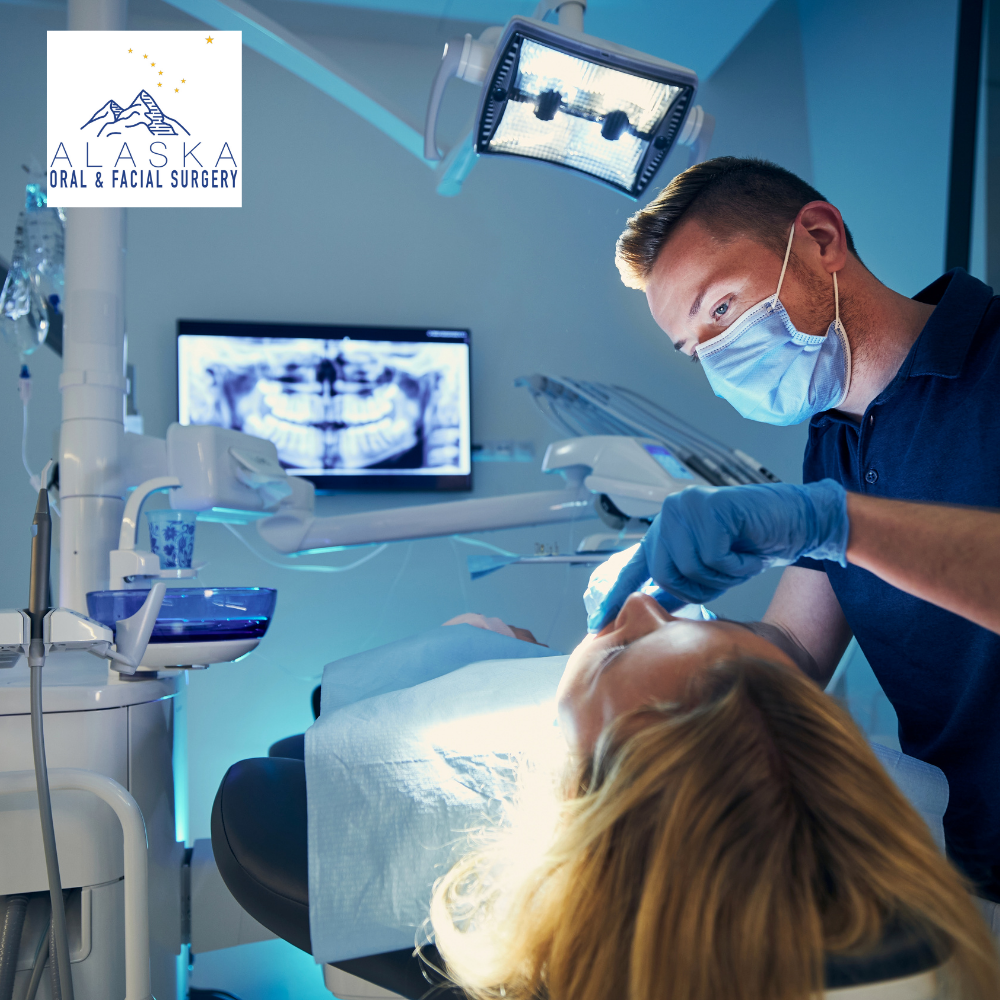
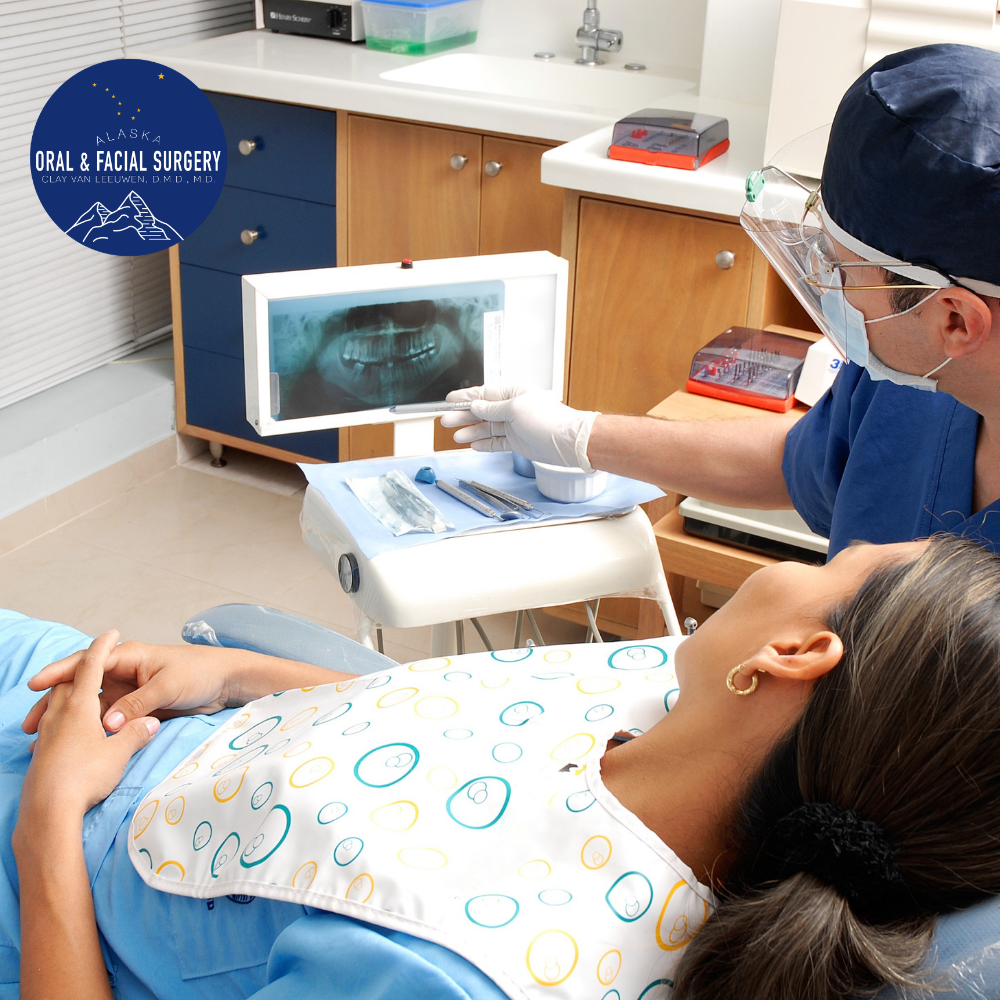
Before jumping ahead to an implant, we use tools like 3D scans and digital X-rays to see what’s happening under the surface. Our 3D imaging system uses cone beam CT technology to capture precise digital images while keeping radiation exposure low. These images help us check the bone’s depth, width, and density. If it’s not quite where it needs to be, then dental bone grafting surgery may be recommended. It gives us a more stable starting point, which often means better results later on.
What to Expect After a Bone Graft and Before Your Implant
The healing process after a bone graft is important. While the actual surgery is often done in a short visit, it takes time for the bone to rebuild and become strong enough to support an implant.
Most people can go back to light activity the next day, but full healing can take several weeks or even a few months. How long it takes will depend on how much bone was added and where it was placed. During that time, comfort and care are our focus, especially in Fairbanks, Alaska, where February can be rough with cold temps and dry air.
Here’s what healing usually looks like:
• Some mild swelling or soreness for a few days
• A soft diet at first to avoid putting pressure on the area
• Regular check-ins to see how the bone is growing
It’s worth planning this step around the weather too. In colder months, we help you stay warm and comfortable, since local conditions like dry indoor air and freezing temperatures can make recovery feel a bit harder. We’ll go over precautions so everything stays on track while your mouth heals.
Strong Implants Start with a Solid Foundation
Choosing to get dental implants is a big decision, and making sure your jaw is ready helps everything go more smoothly. That’s why bone grafting can be such a helpful first step. It strengthens your foundation and gives your implant the best shot at long-term success.
We take each person’s bone structure into account before making a plan. If a graft is needed, it’s not a setback, it’s a smart part of treating the whole mouth with care. With the right prep, we’re able to move forward with confidence and help you build a durable, comfortable smile that fits your long-term goals.
At Alaska Oral & Facial Surgery, we’re here to help you feel confident about every part of your treatment plan. When you need extra support before dental implants, a closer look at your bone health can make all the difference. Our approach includes advanced digital imaging to determine whether dental bone grafting surgery could strengthen your jaw and set you up for lasting results. We tailor treatment to your goals and prioritize your comfort from start to finish. Call 907-452-4101 to schedule your appointment.