
Most tooth extractions heal without a hitch. But in the days after a procedure, one complication causes more phone calls to oral surgery offices than any other: dry socket. The sharp, radiating pain that shows up two to four days after an extraction is hard to miss, and knowing how to prevent it, and what to do if it happens, can save you a miserable week.
At Alaska Oral and Facial Surgery in Fairbanks, we walk every extraction patient through dry socket prevention before they leave the office. Here is the same guidance, so you can heal quickly and comfortably.
What Is Dry Socket?
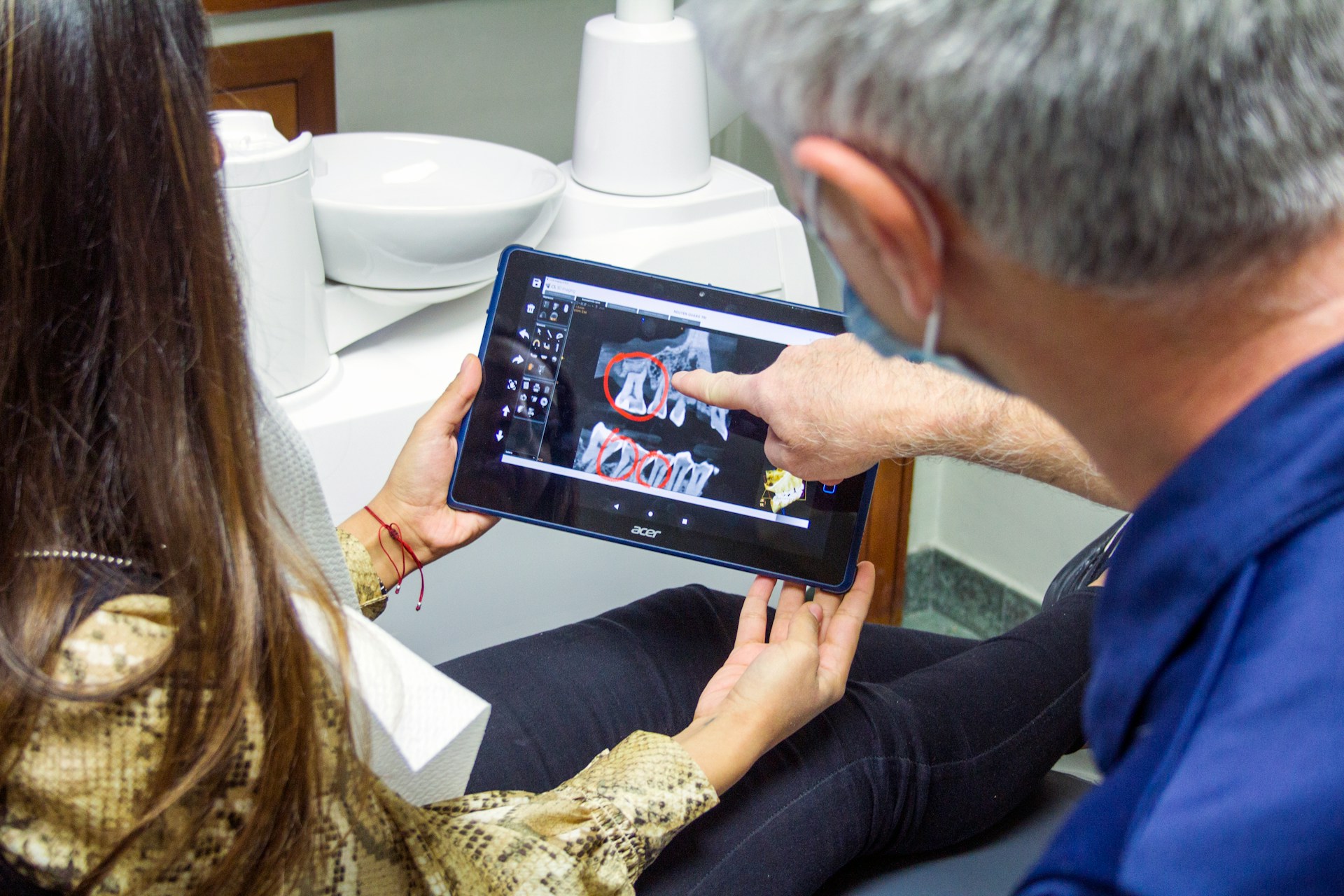
After a tooth is removed, a blood clot forms in the empty socket. That clot is your body’s natural bandage: it protects the bone and nerve endings underneath and gives new tissue a foundation to grow on.
Dry socket happens when the clot dissolves too early or gets dislodged, leaving bone and nerves exposed to air, food, and fluid. The result is a deep, throbbing pain that often radiates toward the ear, temple, or neck, sometimes with a bad taste or odor in the mouth.
Dry socket is not an infection, and it is not dangerous in most cases, but it is genuinely painful and it slows healing. The encouraging news is that it is largely preventable, and very treatable when it does occur.
Who Is Most at Risk
Dry socket can happen after any extraction, but some situations raise the odds:
- – Lower wisdom teeth extractions, especially impacted ones
- – Smoking or using any tobacco product before or after surgery
- – Using straws, spitting forcefully, or vigorous rinsing in the first days
- – A history of dry socket with a previous extraction
- – Hormonal birth control, which can affect clot stability
- – Difficult or traumatic extractions that took longer than usual
If one or more of these apply to you, your surgical team may take extra precautions and will want you to follow aftercare instructions especially closely.
How to Prevent Dry Socket
The first 72 hours after your extraction matter most. Follow these steps to protect the clot:
- – Skip the straw. The suction created by drinking through a straw is one of the most common causes of dislodged clots. Sip directly from a cup for at least a week.
- – No smoking. Tobacco restricts blood flow, slows healing, and the sucking motion can pull the clot loose. This is the single best reason to pause, and ideally quit, around surgery.
- – Eat soft foods. Stick with yogurt, mashed potatoes, scrambled eggs, smoothies served with a spoon, and lukewarm soup. Avoid crunchy, chewy, or crumbly foods that can poke into the socket.
- – Rinse gently. After the first 24 hours, gentle warm salt water rinses help keep the area clean. Let the water fall out of your mouth rather than spitting hard.
- – Keep your tongue and fingers away. It is tempting to explore the socket, but leave it alone.
- – Follow your written instructions. You can learn more about the procedure itself on our tooth extraction page, and your post-op instructions are tailored to your specific surgery.
Signs You Might Have Dry Socket
Call your oral surgeon promptly if you notice:
- – Pain that gets worse instead of better two to four days after the extraction
- – Pain radiating to your ear, eye, or neck on the same side
- – A visible empty-looking socket, or visible bone where the tooth was
- – An unpleasant taste or odor that does not improve with gentle rinsing
A little soreness that improves day by day is normal. Pain that ramps back up after a good first day or two is not.
How Dry Socket Is Treated
If dry socket does develop, relief is fast once you are seen. Treatment typically involves:
- – Gently cleaning the socket to remove debris
- – Placing a medicated dressing directly into the socket, which usually relieves pain within minutes to hours
- – A prescription or recommendation for appropriate pain relief while the socket heals
- – Dressing changes over the following days until the tissue starts closing over
Most patients feel dramatically better after the first dressing is placed. The socket then heals from the inside out over the following week or two.
Healing Well in Fairbanks
Interior Alaska life does not pause for oral surgery, but a few local realities help to plan for. Stock your kitchen with soft foods before your appointment so you are not grocery shopping the next day. If you are driving in from North Pole, Delta Junction, Ester, Nenana, or Healy, line up your ride home and a low-key first evening. And if you smoke, consider your extraction the moment to take a real break, since your healing depends on it.
Questions after an extraction are never a bother. If something feels off, or you want a professional opinion on how your socket is healing, contact Alaska Oral and Facial Surgery through our appointment scheduling page or call 907-452-4101. Our Fairbanks team is here to help you heal comfortably and get back to normal as quickly as possible.