
 When you think about your smile, you probably focus on your teeth. But underneath those pearly whites lies something equally important: your jawbone. At Alaska Oral & Facial in Fairbanks, Dr. Clay Van Leeuwen and our team understand that a strong, healthy jawbone is the foundation of excellent oral health and successful dental treatments.
Bone grafting might sound intimidating, but it’s actually a common and highly effective procedure that can restore your jaw’s strength and prepare it for future treatments like dental implants. Let’s explore everything you need to know about this transformative procedure.
What Is Bone Grafting?
Bone grafting is a surgical procedure that rebuilds or augments bone in areas where it has been lost or damaged. In oral surgery, bone grafts are typically used to restore jawbone density and volume, creating a solid foundation for dental implants or other restorative treatments.
During the procedure, bone material is placed in the area where bone loss has occurred. Over time, this graft material integrates with your existing bone, stimulating new bone growth and restoring the jaw’s natural structure.
Why Might You Need a Bone Graft?
Tooth Loss and Bone Resorption
When you lose a tooth, whether due to injury, decay, or extraction, your jawbone begins to deteriorate. Without the tooth root to stimulate the bone, your body starts to reabsorb the bone tissue. This process, called resorption, can cause:
- Facial collapse and premature aging
- Difficulty eating or speaking
- Shifting of remaining teeth
- Inability to support dental implants
Periodontal Disease
Advanced gum disease can destroy the bone that supports your teeth. Bone grafting can help restore this lost bone structure and improve your overall oral health.
Preparing for Dental Implants
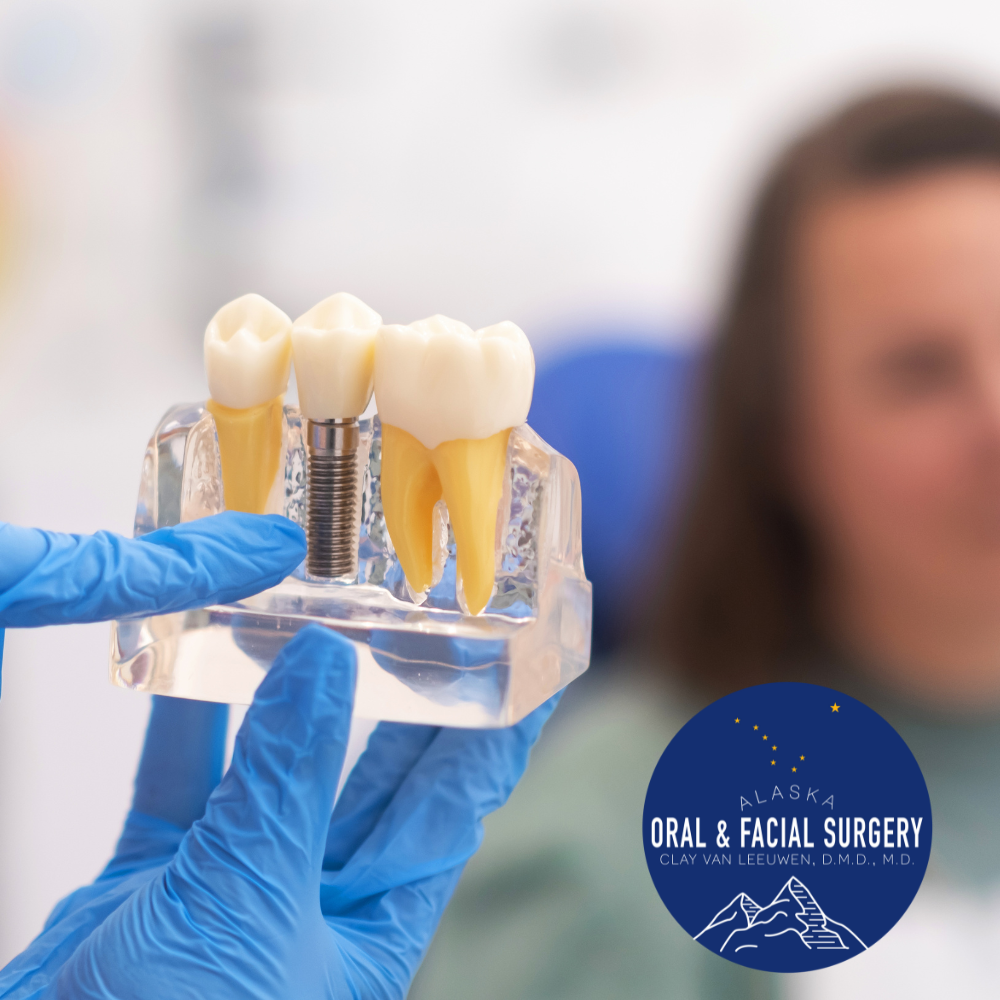
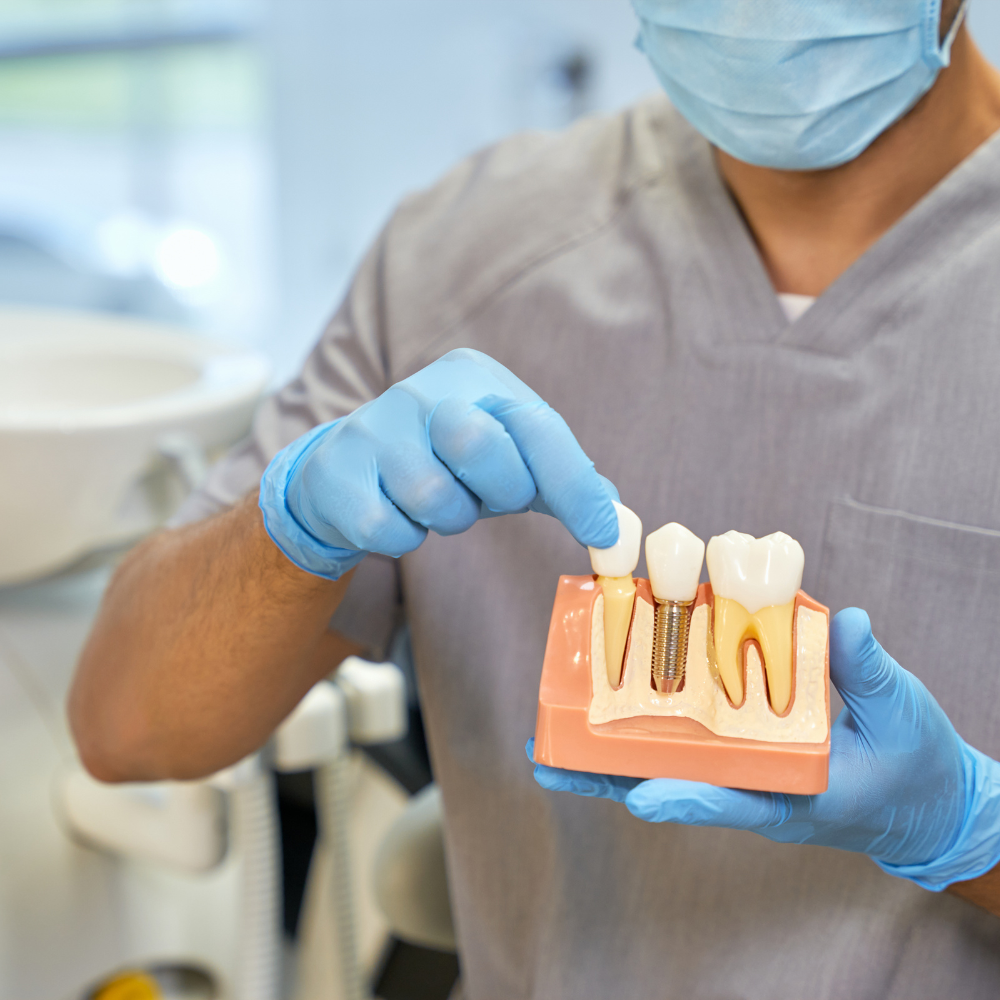
Dental implants require sufficient bone density and volume for successful placement. If you don’t have enough healthy bone, a graft can create the ideal environment for implant success.
Trauma or Injury
Facial trauma from accidents or injuries to the jaw can lead to bone loss, often requiring reconstruction with bone grafting.
Types of Bone Graft Materials
In our office, the bone is either obtained from a tissue bank or your own bone is taken from the jaw, hip or tibia (below the knee). Sinus bone grafts are also performed to replace bone in the posterior upper jaw. In addition, special membranes may be utilized that dissolve under the gum to protect the bone graft, as well as encourage bone regeneration.
Common types of bone grafting include:
- Autogenous Bone Grafts: also known as autografts, are made from your own bone, taken from somewhere else in the body
- Allogenic Bone: or allograft, is dead bone harvested from a cadaver, then processed using a freeze-dry method to extract the water via a vacuum.
- Xenogenic Bone: derived from non-living bone of another species, usually a cow.
The Bone Grafting Process
Initial Consultation
During your visit to Alaska Oral & Facial, Dr. Van Leeuwen will conduct a comprehensive examination using our advanced 3D scanning technology and digital X-rays. This allows us to:
- Assess the extent of bone loss
- Determine the best graft material for your situation
- Create a personalized treatment plan
- Discuss timeline and expectations
The Procedure
Bone grafting is typically performed under local anesthesia, though sedation options are available for your comfort. The procedure generally involves:
- Preparation: The treatment area is thoroughly cleaned and numbed
- Graft placement: The bone material is carefully positioned where needed
- Securing: A membrane may be placed over the graft to protect it during healing
- Closure: The incision is closed with sutures
Most procedures take one to two hours, depending on the complexity and size of the graft.
Healing and Integration
The healing process typically takes several months, during which:
- New blood vessels grow into the graft material
- Your existing bone cells migrate to the graft site
- The graft material is gradually replaced by your own bone
- The area becomes strong enough to support dental implants or other treatments
What to Expect During Recovery
Immediate Post-Procedure Care
After your bone graft at Alaska Oral & Facial, you can expect:
- Some swelling and mild discomfort for the first few days
- Detailed post-operative instructions for optimal healing
- Prescription medications to manage pain and prevent infection
- Follow-up appointments to monitor your progress
Recovery Timeline
- First week: Focus on rest and following post-operative instructions
- 2-4 weeks: Soft tissue healing occurs
- 3-6 months: Bone integration and maturation takes place
- 6+ months: Area is typically ready for dental implant placement
Tips for Successful Healing
- Follow all post-operative instructions carefully
- Maintain excellent oral hygiene while avoiding the graft site initially
- Eat soft foods and avoid chewing near the treatment area
- Don’t smoke or use tobacco products, as they significantly impair healing
- Attend all follow-up appointments
Advanced Technology at Alaska Oral & Facial
Our Fairbanks practice utilizes cutting-edge technology to ensure the best possible outcomes:
- 3D Imaging: Provides detailed views of bone structure for precise planning
- Digital X-rays: Offer high-quality images with reduced radiation exposure
- Laser Technology: Promotes faster healing and reduced discomfort
- Minimally Invasive Techniques: Reduce recovery time and improve patient comfort
Is Bone Grafting Right for You?
The best way to determine if bone grafting is appropriate for your situation is through a consultation with Dr. Van Leeuwen. During your visit, we’ll evaluate your oral health, discuss your goals, and create a personalized treatment plan that fits your needs and budget.
Ready to Restore Your Smile’s Foundation?
Don’t let bone loss prevent you from achieving the healthy, beautiful smile you deserve. Contact Alaska Oral & Facial today to schedule your consultation with Dr. Van Leeuwen and learn how bone grafting can restore your oral health and prepare you for a lifetime of confident smiles. Call us at (907)-802-4098.