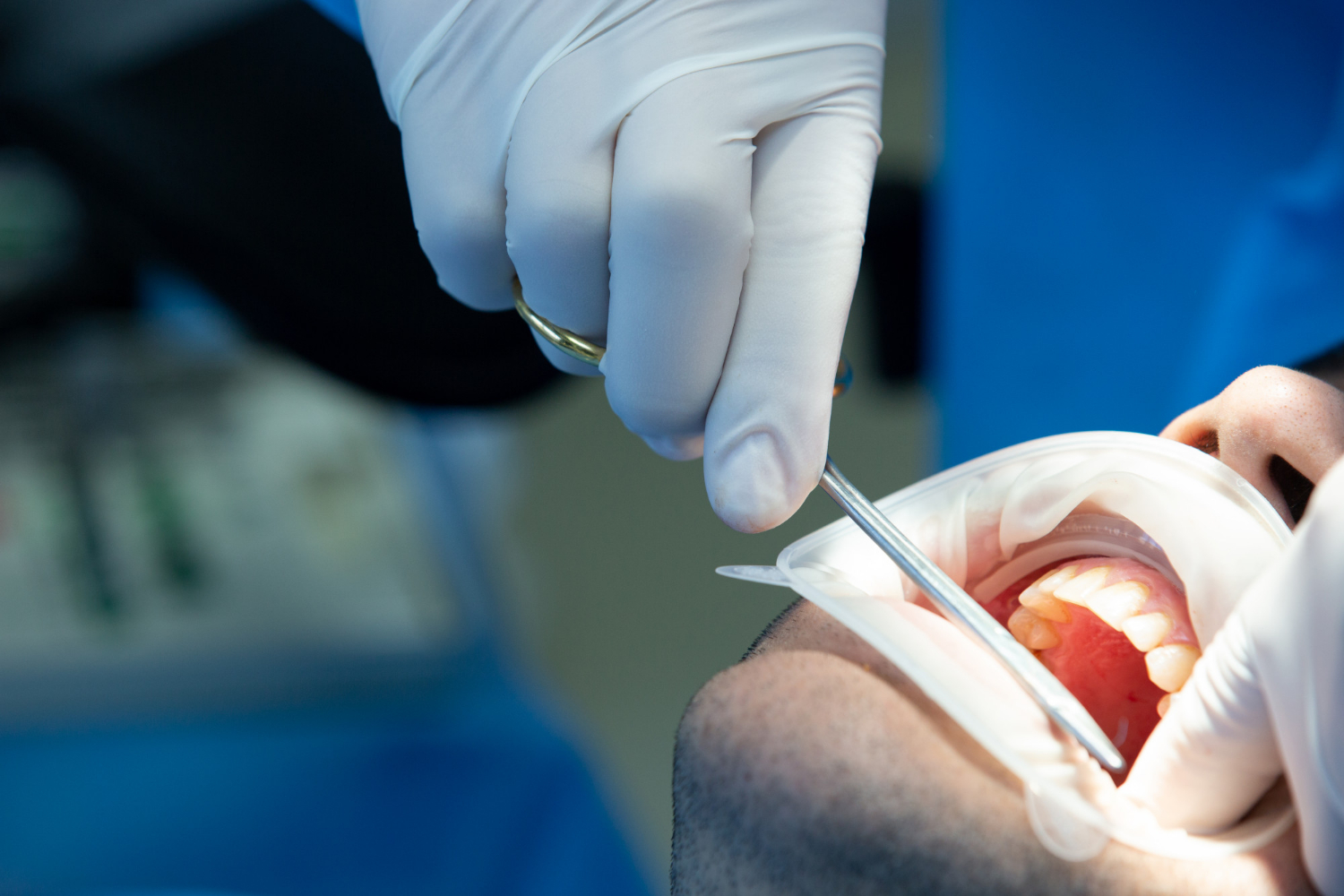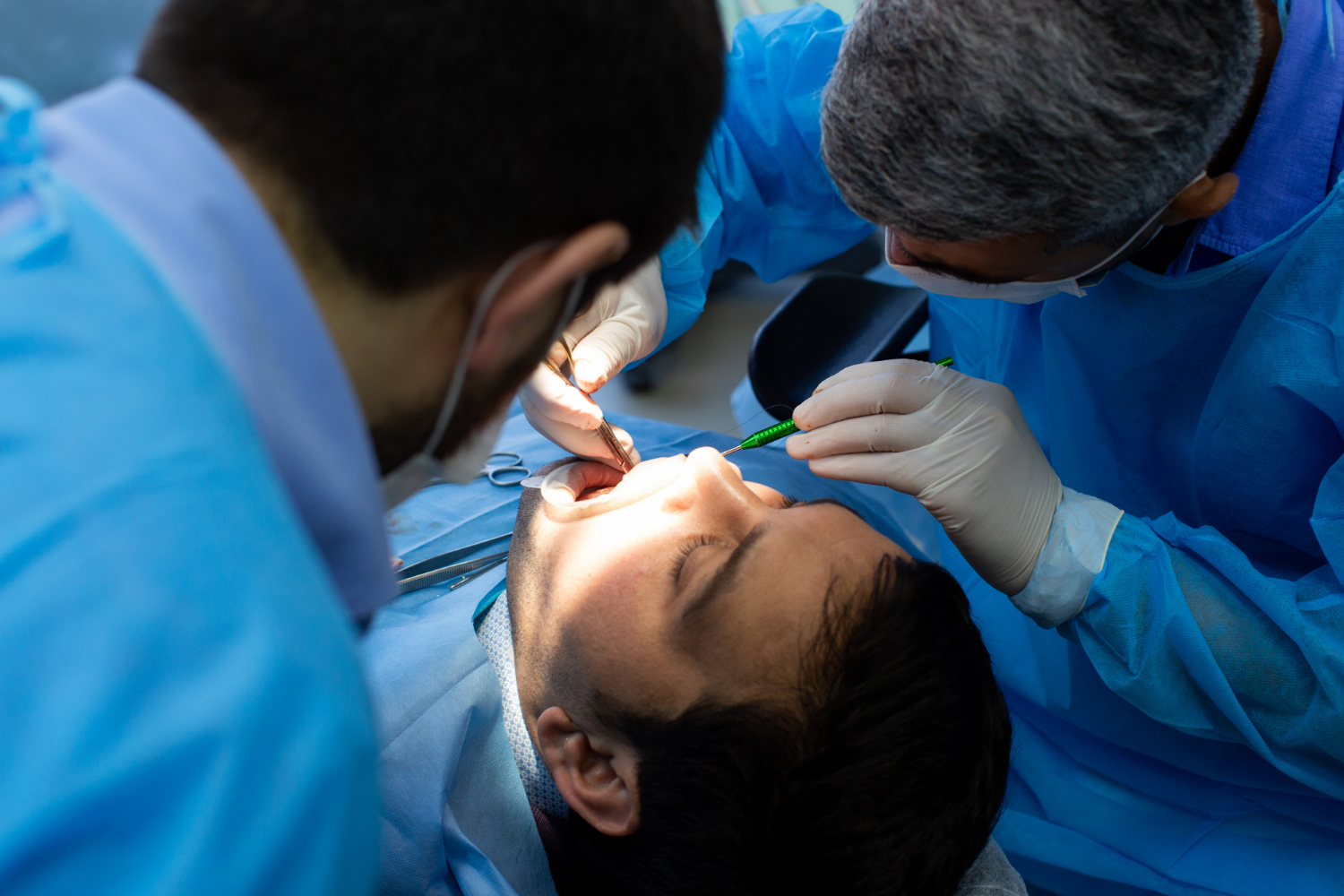

November is National Diabetes Month, a good reminder that blood sugar affects far more than energy levels. For people living with diabetes, it can also influence gum health, jawbone health, and how the mouth heals after oral surgery. If you live in Fairbanks or the surrounding Interior and are planning an extraction or dental implant, here is what to know.
How Diabetes and Gum Disease Are Connected
Research has long shown a two-way relationship between diabetes and periodontal (gum) disease:
- – Higher blood sugar can feed infection. Elevated glucose levels can make it easier for harmful bacteria to thrive around the gums.
- – Inflammation works both ways. Gum infections create inflammation throughout the body, which may make blood sugar harder to control.
- – Bone loss can follow. Advanced gum disease can damage the bone that holds teeth in place, sometimes leading to loose teeth or extractions.
The good news is that well-managed diabetes and good oral care often go hand in hand. Many people with diabetes keep healthy teeth and gums for life.
Signs to Watch For
See your dentist or oral surgeon if you notice:
- – Gums that bleed easily or look red and swollen
- – Persistent bad breath or a bad taste
- – Teeth that feel loose or are shifting
- – Sores or infections that seem slow to heal
- – Dry mouth, which is common with diabetes and raises cavity risk
Diabetes and Healing After Oral Surgery
Healing depends on healthy blood flow and a strong immune response. When blood sugar is not well controlled, recovery from procedures like tooth extraction may take longer, and the risk of infection may be higher. That does not mean surgery is off the table. It means planning matters.
Your surgeon may:
- – Ask about your recent A1C or other measures of blood sugar control
- – Coordinate with your physician if adjustments to medication timing are needed
- – Schedule morning appointments so your meals and medications stay on track
- – Recommend specific aftercare steps to protect the surgical site
Can People With Diabetes Get Dental Implants?
Often, yes. Many people with well-controlled diabetes are good candidates for dental implants. Implants rely on the jawbone fusing with the implant post, a process that needs steady healing. Before recommending implants, your surgeon typically evaluates:
- – Your overall health and blood sugar control
- – The amount and quality of jawbone, often using 3D imaging
- – The health of your gums and remaining teeth
- – Habits like smoking that can also slow healing
If bone has been lost, a bone graft may be recommended first to create a stable foundation.
Preparing for Surgery If You Have Diabetes
A few practical steps help your appointment go smoothly:
- – Share your full health history, including medications, insulin, and any recent changes.
- – Ask about eating before surgery, especially if you plan to have IV sedation, since fasting instructions affect blood sugar.
- – Bring glucose tablets or a snack for after your procedure if your care team approves.
- – Check your levels more often in the days after surgery, since stress and changes in diet can affect readings.
- – Plan soft, balanced meals so you can eat regularly while you heal.
Aftercare Tips for Faster Healing
After oral surgery, these habits support recovery for everyone, and they are especially helpful for people with diabetes:
- – Follow your surgeon’s instructions on rinsing and cleaning the area
- – Avoid smoking and using straws for the recommended period
- – Stay hydrated, which also helps with dry mouth during Alaska’s dry winter air
- – Call the office promptly if you notice increasing swelling, fever, or pain that gets worse instead of better
Everyday Oral Care Matters
Between appointments, small habits make a big difference:
- – Brush twice a day and clean between teeth daily
- – Keep up with regular dental checkups and cleanings
- – Work with your physician to keep blood sugar in your target range
- – Tell your dental team about any changes to your diabetes care
When to Reach Out Sooner
Some situations deserve prompt attention rather than waiting for a routine visit. Contact your dentist or oral surgeon soon if you have diabetes and notice:
- – A tooth that has become painful or loose
- – Swelling in the gums, cheek, or jaw
- – A sore that has not improved within two weeks
- – An infection that returns after treatment
Addressing problems early often means simpler treatment and an easier recovery.
Talk With an Oral Surgeon in Fairbanks
If you have diabetes and need an extraction, implant, or other oral surgery, you deserve a plan that fits your health. Our team serves patients from Fairbanks, North Pole, and communities across the Interior and is happy to answer your questions. Schedule a consultation this National Diabetes Month to talk through your options.