
When a “Simple” Tooth Extraction Becomes Serious
Tooth pain can go from annoying to unbearable pretty fast. Many people hope a quick extraction at a general office will fix everything. Sometimes that works just fine. Other times, that “simple” tooth turns out to be more involved and needs a higher level of care.
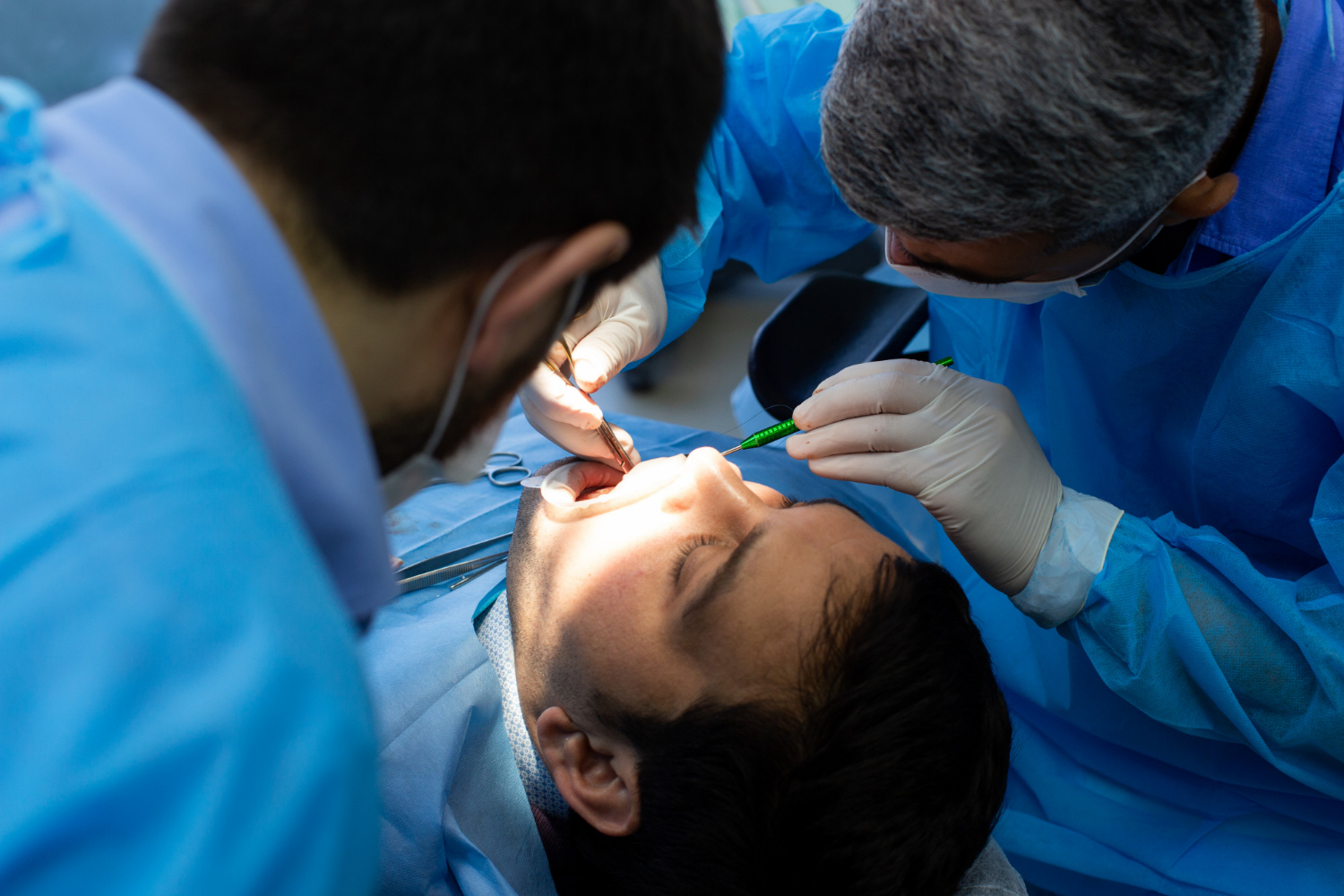
There are two basic types of extractions. A routine extraction is when the tooth is visible, loose enough to move, and can usually be removed with numbing and simple tools. A surgical extraction is more complex. It may involve gum tissue, bone, or teeth that are not fully visible above the gumline. That difference matters for your safety, comfort, and recovery.
Oral and maxillofacial surgeons are trained to handle the surgical side of tooth removal. We focus on the jaw, face, and mouth, and our training goes beyond what a general dentist typically receives for extractions and anesthesia. Choosing the right provider for tooth extraction in Fairbanks, especially when you can plan around work, school, or summer trips, can help you heal more smoothly and avoid surprise emergencies.
Red Flag Symptoms Before Your Extraction
Some warning signs tell you a tooth may not be as simple as it looks. If you notice any of these before an extraction, it is smart to take them seriously and talk about seeing a specialist.
Watch for symptoms like:
- Severe or fast-growing swelling in your cheek, jaw, or under your tongue
- Trouble opening your mouth fully or feeling “locked” when you try
- Pain that shoots into your jaw joint, ear, or head, not just the tooth
- Fever or feeling sick along with tooth pain
- Infection that does not seem to improve with antibiotics
Certain types of teeth are more likely to need an oral surgeon:
- Impacted wisdom teeth that are stuck in the bone or pushing sideways
- Teeth broken off at the gumline, where there is no crown to grab
- Teeth that sit close to major nerves in the lower jaw
- Upper teeth near the sinus floor, where the roots are very long or curved
Putting off treatment when these signs are present can lead to sudden emergencies, often at the worst time. In a place like Fairbanks, where people enjoy long days outdoors, unexpected tooth pain or swelling can interrupt camping plans, fishing trips, and travel. Getting the right level of care early helps you stay ahead of those surprises.
Signs Your Dentist Should Refer You to a Specialist
Most general dentists are very good at spotting when a tooth is more complex than it first appears. There are common situations when a referral to an oral surgeon is either recommended or should be asked about.
These include:
- Wisdom teeth that are impacted, angled, or crowded against other teeth
- Teeth with roots that are curved, very long, or wrapped around each other
- Teeth that have already been treated, like root canals, and are now breaking down
- A previous attempt to remove the tooth that did not work or was stopped midway
Your medical history matters too. Some conditions make it safer to have your extraction in a setting built for deeper monitoring and sedation. Examples include:
- Heart disease or a history of heart procedures
- Bleeding disorders or trouble clotting
- Diabetes, especially if it is not well controlled
- Use of blood thinners or other medications that affect bleeding
- Lung problems or other issues that could affect breathing during sedation
Asking your dentist if an oral surgeon is a better fit for your situation is not overreacting. It is a smart way to lower the chance of complications, protect your overall health, and help your mouth heal the right way the first time.
What an Oral Surgeon Can Do That Others Cannot
Oral and maxillofacial surgery practices are set up for more advanced care. That does not mean every tooth needs this level of treatment, but when it does, the difference is clear.
Key advantages of an oral surgery setting include:
- Advanced imaging to see teeth, bone, sinuses, and nerves in detail
- A wider range of anesthesia options, including IV sedation and general anesthesia
- Staff and equipment trained for surgical-level monitoring and safety
- Tools designed for bone work, sectioning teeth, and managing complex roots
We are trained to work closely around nerves, sinuses, and jaw joints. If a tooth sits near a major nerve, we plan the extraction to protect that nerve as much as possible. If the sinus is very close to an upper tooth, we are ready to support and repair that area if needed. If bone must be removed, we consider how that affects your bite, future implants, and your facial structure.
If something unexpected happens during a tooth extraction, such as extra bleeding or a tooth fragment close to a nerve, an oral surgery team is already prepared to respond. That preparation can mean a smoother, quicker recovery, with less time away from work, school, or the Fairbanks activities you enjoy most.
When a Tooth Extraction Becomes a Bigger Treatment Plan
Sometimes removing a tooth is just step one. Oral surgeons look at the bigger picture of your mouth and jaw so that one problem tooth does not create new problems later.
Planning ahead might include:
- Preserving bone where a tooth is removed, so a future dental implant is possible
- Placing bone graft material at the time of extraction, instead of waiting and losing bone
- Looking at how the extraction will affect your bite and jaw position
- Checking for signs that your jaw joint or other teeth may be stressed
During a surgical extraction, we may discover hidden issues, such as:
- Bone loss that is more advanced than it looked on a basic X-ray
- Cysts or other growths around the roots of the tooth
- Infection that has spread into deeper bone or nearby teeth
Handling these problems in one coordinated plan can shorten your total healing time. Instead of pulling a tooth now, then doing bone grafting later, then planning an implant much later, many steps can be built into one thoughtful process. This approach can mean fewer visits, less time feeling sore, and a better chance of a strong, stable result that lasts.
Take the Safe Path for Tooth Extraction in Fairbanks
If your tooth pain feels intense, your swelling looks worrying, or your medical history is complicated, it is okay to pause before agreeing to a quick extraction. Trust your instincts. Ask questions about your X-rays, your roots, nearby nerves or sinuses, and your sedation options. If the answers leave you uneasy, that is a sign to ask about seeing an oral surgeon.
At Alaska Oral & Facial Surgery, we help people in and around Fairbanks understand their choices for tooth extraction, from simple to complex. We review imaging, talk through anesthesia in plain language, and tailor your treatment plan to your health, your comfort level, and your schedule so you have time to recover without rushing.
To learn more or schedule an appointment, please call us at 907-452-4101.
Restore Comfort And Protect Your Oral Health Today
If you are experiencing dental pain or have been told you need a tooth removed, we are here to help you with safe, gentle care. Learn more about how we perform tooth extraction in Fairbanks and what to expect before, during, and after your visit. At Alaska Oral & Facial Surgery, our team will walk you through your options so you can make confident decisions about your treatment. To schedule an appointment or ask questions, please contact us today.