
Cold, dry air in Fairbanks can make mouth sores feel a lot worse than they already are. When the wind picks up or the heat inside dries out your skin and mouth, any sore spot can quickly become more painful. That’s when it’s time to figure out what’s really going on. An oral pathology exam can help us find out what’s causing the sore and what action is needed, if any. The keyword oral pathology refers to the study and diagnosis of diseases in the mouth, and it plays a big role when something feels off. The most serious cause of changes in the lining of the mouth is oral cancer, which can sometimes begin as small reddish or whitish patches that are easy to overlook. If you’ve had a sore that won’t heal or notice a patch of tissue that just doesn’t seem right, this kind of exam gives us a clear next step.
What an Oral Pathology Exam Is
Oral pathology may sound complicated, but it simply means studying changes or problems in the mouth. These exams help check out things that don’t heal, keep coming back, or just feel different than usual. We’re looking for anything unusual that might need treatment or just deserves a closer look.
Mouth sores are one of the most common reasons people come in for an exam like this. Other reasons include:
- A lump that appeared out of nowhere
- A sore spot that hasn’t healed after two weeks
- Patches that feel rough, change color, or feel thicker than the rest of your mouth
The inside of a healthy mouth is usually smooth and coral pink, so any new lump, thick area, or color change is worth paying attention to. This exam isn’t something to worry about. It’s a tool to help us understand what’s going on and make sure nothing serious is being overlooked. Sometimes what seems like a big concern turns out to be a normal spot that just needs a little time. Other times, we need more information to know for sure.
What Happens During the Exam
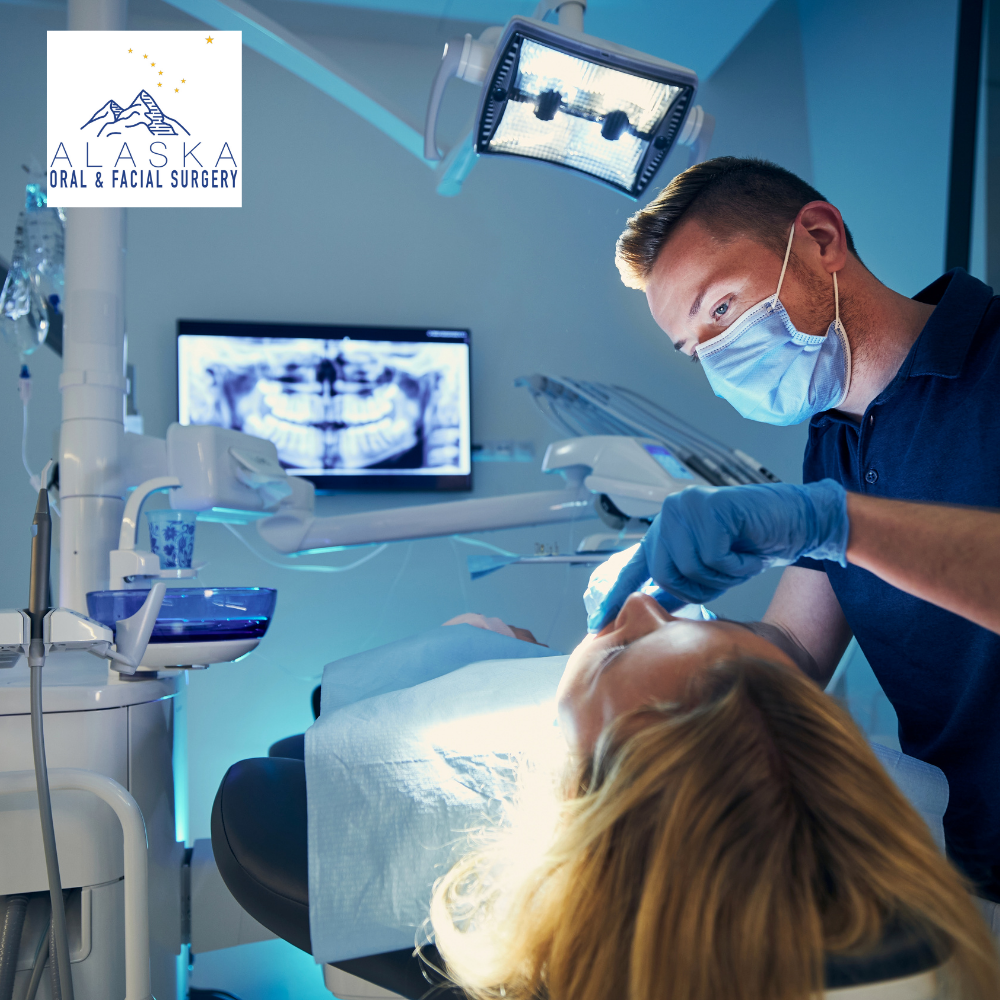
When you come in for an oral pathology exam, we do everything we can to keep things simple and calm. The first step is usually a visual exam. We’ll look closely at your mouth, tongue, gums, and cheeks to check for anything unusual in shape, color, or texture.
If needed, we might take digital x-rays or 3D scans. These tools help us see beneath the surface without causing any discomfort. In our office, we use an i-CAT 3D imaging system with cone beam CT technology to create clear digital images while keeping radiation exposure low. The newer technology not only works fast, but it’s targeted, meaning we only scan what we truly need to see.
If we spot something that hasn’t healed or think a sample might help give us answers, we may take a small tissue sample. This is called a biopsy, and it’s done gently, usually with local numbing. It’s a fast process and most people don’t feel much at all. Once collected, the sample is sent out for testing. This helps confirm what’s going on, from minor irritation to something that needs treatment.
What the Results Can Tell You
Once we get your results back, we look closely at what they tell us. Sometimes, it’s a basic issue like irritation from a dental device, rubbing from a sharp tooth, or a minor infection. Other times, we find something like a benign growth, which means it’s not harmful, but might still need to be removed if it causes problems.
Here’s a general idea of what your results might say:
- The sore is caused by something harmless like friction or a small injury
- There’s an infection that needs medication
- The spot is a type of growth that’s not serious but should be monitored
- In rare cases, the tissue sample could show changes that need more testing or treatment
We always walk through the results with you, step by step, and explain what they mean in plain language. Most of the time, it’s good news, and people leave feeling clearer and more relaxed than when they walked in. Just knowing what’s happening often takes a weight off your shoulders.
How to Prepare and What to Ask
Before your exam, there are a few things you can do to make the experience go more smoothly. You don’t need to make big changes, but a few small steps can help.
Here are a few ways to get ready:
- Write down any symptoms you’ve noticed and how long they’ve been around
- Avoid spicy or acidic foods the day before if your mouth is sore
- Drink water and try using a humidifier at home, especially in dry winter months in Fairbanks
During your visit, it’s totally okay to ask questions. Some people ask if their sore is related to stress, foods, or brushing habits. Others want to know how long healing will take or when the results will be ready. Keeping track of your questions ahead of time can help you feel more in control.
Winter can drag on in Alaska, and dry air makes everything feel more sensitive. If your mouth is irritated, staying hydrated and keeping indoor air moist can really help with healing and comfort after the exam.
Clear Answers for a Healthier Smile
Dealing with a sore that won’t go away can be frustrating, especially when the cold feels like it’s making everything worse. But you don’t have to keep guessing or hoping it clears up on its own. An oral pathology exam gives us a safe, simple way to learn what’s going on and what to do next.
Having that clear answer lets you focus on healing and comfort, not worry or confusion. And when your mouth feels better, everything from eating warm meals to talking with friends becomes easier again. Stay aware of changes in your mouth, and if something doesn’t feel right, listen to that instinct. Getting checked helps your body, and your peace of mind too.
Noticing changes in your mouth that persist or aren’t healing as expected? We use advanced imaging technology and careful exams to get to the root of your concerns. Taking the step to schedule an oral pathology evaluation can help you find answers and peace of mind. At Alaska Oral & Facial Surgery, we’re committed to supporting your health with clear information and compassionate care. Call 907-452-4101 to book your appointment today.